
(Term: 2025 – 2029)
Head of Department of Physiology
Instituto de Investigaciones Biomédicas
UNAM, México
I see the IRPS as a society where the discussion of science in a friendly atmosphere is a hallmark of the meeting and its members. It is not necessarily the latest scientific techniques that are exposed, but the latest insights into the functioning of peptides in the brain are shared in an open and friendly environment. Hereby, the discussion on the functionality of peptides aims to understand the complex interactions of different structures within the Central Nervous System. Exchanging information, vision, and friendship is essential in this environment. The IRPS is unique because it represents the current practice. As a member of this exceptional family, I will strive to do my best to serve and promote this atmosphere, complemented by the excellent science accompanying it. One of my primary objectives will be to include young (postdoctoral) scientists in every session to present their work, thus enhancing the meeting dynamic and the exchange of knowledge in both directions.
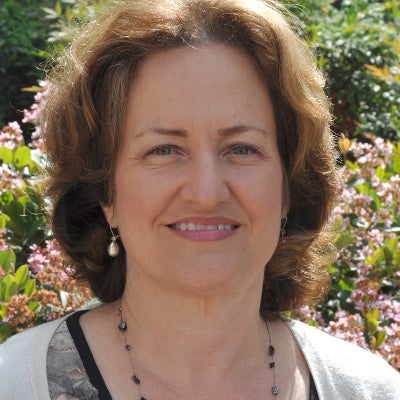
Margarita Currás-Collazo, Ph.D.
(Term: 2025 – 2029)
Professor of Neuroscience
Molecular Cell & Systems Bio Dept
University of California, Riverside
I will dedicate my efforts to advancing the society’s mission by fostering interdisciplinary collaboration, amplifying global representation, and promoting equity in science. Drawing on my research in neuroendocrinology and environmental toxicology, I will work to strengthen IRPS’s role in addressing pressing scientific challenges—from neurodevelopment to gut-brain axis to environmental health —through the lens of peptide science.
My past experience as a Councilor of the American Physiological Society, during a term that was financially impacted by open access publishing and by efforts to modernize the institutional governance model, has equipped me with the vision and skills to strengthen our scientific society. International scientific societies such as IRPS must serve as unyielding pillars of objective and excellent science at an unprecedented period in modern history when the process of original thought and evidence-based conclusions are decidedly under attack. My other service roles have included editorial boards, NIH study section and vice chair of my department.
Moreover, my commitment to education and mentorship will further support IRPS’s goal of nurturing the next generation of scientists, particularly those from underrepresented backgrounds and/or substandard means. As a Latina scientist and advocate, I will actively engage with diverse communities of scientists to ensure that IRPS reflects the richness of international perspectives. Together, we can expand the society’s impact, bridging scientific innovation with societal needs. I am grateful for this opportunity and eager to contribute to IRPS’s vibrant future.
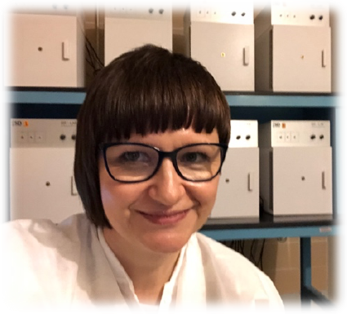
Joanna Dabrowska, PharmD, Ph.D.
(Term: 2022 – 2026)
Associate Professor
Affiliation: Discipline of Cellular ad Molecular Pharmacology and Center for Neurobiology of Stress Resilience and Psychiatric Disorders,
Chicago Medical School, Rosalind Franklin University of Medicine and Science,
North Chicago, IL, USA
email: joanna.dabrowska@rosalindfranklin.edu
Experience in service to scientific communities:
I have served on Editorial Board (as a Reviewing Editor) in Frontiers in Molecular Neuroscience (Frontiers Media) since 2018. Since 2021 I’ve served as a Managing Guest Editor in Neuropharmacology (Elsevier)(Special Issue on ‘Fear, anxiety and PTSD: from cellular mechanisms to translational approaches’) . I serve as ad hoc grant scientific review member for National Institute of Mental Health (NIMH), European Research Council (ERC), and German-Israeli Foundation for Scientific Research and Development, GIF. I served as councilor for Chicago Chapter Society for Neuroscience 2014-2018 and starting in 2022, as a councilor for American Society for Pharmacology and Experimental Therapeutics (ASPET) Great Lakes Chapter. In 2018 I served as a member of International Advisory Committee for 12th Symposium on Catecholamines and Other Neurotransmitters in Stress, Bratislava, Slovakia.
Statement of commitment:
I am committed to serving as a councilor for the International Regulatory Peptide Society by promoting neuropeptide research and the Society in a broader neuroscience community. I strive to advocate for neuropeptide and broader neuroscience research. Particularly, I am committed to advocacy for mental health research,
as well as for a broader accessibility of mental health services. I am committed to training the next generation of young neuroscientists and actively involving them scientifically and administratively (meeting organization, meeting promotion and outreach) in the International Regulatory Peptide Society. I am committed to increasing the presence of women and other underrepresented groups as independent investigators and leaders in the international neuropeptide research society.
Research interests:
My lab investigates cell-type specific effects of neuropeptides such as oxytocin, corticotropin-releasing factor (CRF), enkephalin, and more recently – also vasopressin in the extended amygdala, particularly the bed nucleus of the stria terminalis (BNST) and their unique neuromodulatory roles in the regulation of BNST activity and distinct populations of BNST projection neurons. We utilize in vitro slice electrophysiology combined with optogenetics, neuronal tract tracing and immunofluorescence techniques, and transgenic rat models, to understand the cellular mechanisms of these neuropeptides’
actions in the extended amygdala. Our ultimate goal is to understand their roles in the regulation of defensive behaviors including fear- and anxiety-like behaviors. We utilize fearand anxiety-potentiated startle in male and female rats, to better understand how the BNST and the central amygdala interact via inhibitory and peptidergic projections to process fear
memories of predictable vs. unpredictable threats, and the roles of oxytocin, CRF, and vasopressin receptors in these processes. This is important as exaggerated fear responsiveness to unpredictable threats is one of the core symptoms of stress-induced
neuropsychiatric disorders such as post-traumatic stress disorder (PTSD) . Therefore, understanding cellular effects of these neuropeptides in the extended amygdala have untapped potential as novel therapeutic targets. My research has been continuously supported by the National Institute of Mental Health since 2012.
Secretariat statement on Society participation/contributions
– Member since 7-January-2021, in good standing
– RegPep23 delegate and chair of a symposium
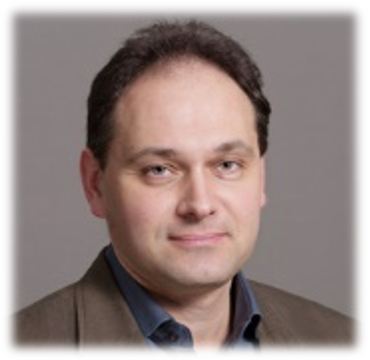
Arpád Dobolyi, Ph.D.
(Term: 2021.01 – 2024)
Head of the Department of Physiology and Neurobiology, Eötvös Loránd University, Budapest, Hungary
Head of the Laboratory of Molecular and Systems Neurobiology, Hungarian Academy of Sciences
http://physiology.elte.hu/index_eng.html email: dobolyi.arpad@ttk.elte.hu
Experience in service to scientific community:
Editorial Board membership: Scientific Reports, Cells, Biologica Futura; President of the following Scientific Conferences: 17th International Conference of the Hungarian Neuroscience Society, Evolution of Sex Roles; Societies: Chair of the Financial Committee of the Hungarian Neuroscience Society, Member of the Neurobiology Committee of the Hungarian Academy of Sciences, Member of the NENS (Network of European Neuroscience Schools) Committee of the Federation of European Neuroscience Societies.
Statement of Commitment:
I have international experience as I spent 5 years in the USA as an NIH fellow before returning to Hungary with a European Fellowship. Ever since I regularly travel not only for science but also for reviews of major European Scientific Grants. My scientific interest includes neuropeptides, behavioral, molecular and systems neuroscience.Now, I would like to use my experience to participate in the Steering Committee of International Regulatory Peptide Society. For that purpose, I confirm in the present letter that I am happy to serve on IRPS council and assume the related responsibilities. My motivation to become a member of IRPS council is to be able to participate in the planning and implementing the decisions, programs and activities approved of by IRPS leadership including for example developing and maintaining programs, biannual conferences, budget-related requests and reports. In addition, my objective is to participate in discussions aimed at building consensus, making decisions and assuring accountability. I am especially devoted to make RegPep meeting the leading conference within the peptide field. Another reason why I would like to become member of the IRPS council is that I can keep IRPS members, as well as related member societies informed about IRPS’s policies and activities via society website. Furthermore, I will regularly attend the IRPS but also other neuroscience conferences and meetings where I can advocate the programs and activities decided by IRPS council. In turn, it also gives me an opportunity to convey the views and needs of the membership to IRPS council.
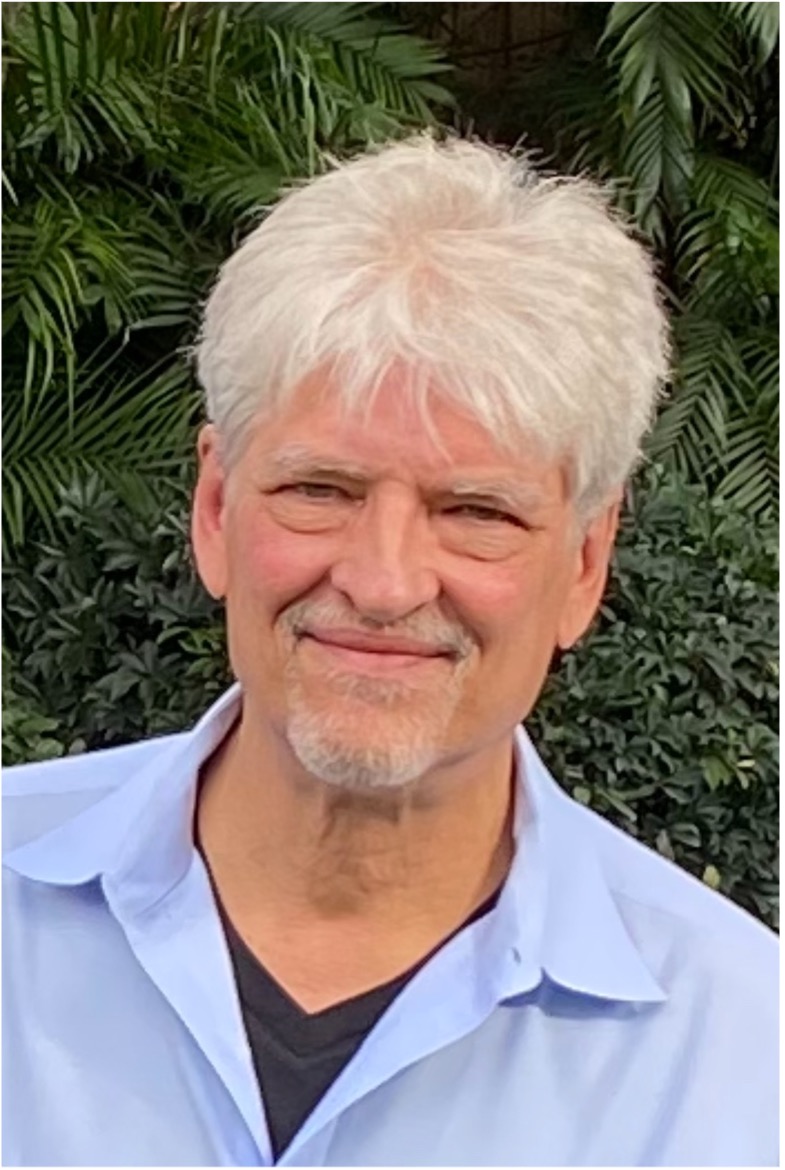
Lee E. Eiden, Ph.D.
(Term: 2025 – 2029)
Chief, Section on Molecular Neuroscience
My association with the IRPS dates to the organization of the symposium “Neuropeptides in brain circuits underlying stress perception and response” at the 21st RegPep meeting in Rouen, France, and attendance at that meeting, in 2016. I’ve been involved in IRPS activities and organization of the biennial RegPep conference ever since, serving on the IRPS Council, as IRPS co-President, as a member of RegPep conference organizing teams since 2018, in formal incorporation of IRPS as a non-profit scientific society, and presently as IRPS Treasurer and co-organizer of RegPep25. If elected to Council, I would assist in orientation and training of the next IRPS Treasurer and insuring the passage of responsibilities as Treasurer to them; be an active member of Council supporting the new Executive Committee (President, Treasurer and Secretary) in the organization of RegPep26 in 2027, and other activities of the IRPS including expansion of the IRPS website to feature member contributions and enhance communications among members between our biennial meetings. I believe that societies such as ours are an often underappreciated, but vitally important component of the scientific enterprise. The RegPep conferences are a ‘virtual pipeline’ for therapeutics discovery, through which basic and clinical research are mutually accelerated through exchange of information, collaboration, and publication, and support and encouragement of new members of the regulatory peptide research community. I am committed to making the RegPep conferences an even more vibrant and inclusive platform for our field in the coming years.
Vito Hernández, MD, PhD
(Term: 2022-2026)
Associate professor
Department of Physiology, School of Medicine
National Autonomous University of México
As a physician, I always wondered about the basic mechanisms that govern the physiology of the body. I had the fortune to incorporate into a group that was supporting and caring about my professional and personal development, and that thought me about the social nature of scientific endeavor. Our research group has contributed with important observations about the anatomy and physiology of peptidergic (vasopressin and PACAP) systems, and their role in stress coping and fomented our collaboration with other research groups around the globe.
Experience in service to scientific community:
I had the pleasure to contribute to the incorporation of IRPS in México as a legally recognized, non-for-profit society. I participated in the drafting of its statutes, and since its incorporation and up to now, I have served as its legal representative. As a councilor I have made my best efforts in supporting the society, taken the duties of being the Webmaster of the RegPep.org portal since its beginnings and designing the webpages for RegPep 22, 23 and 24. I also served as treasurer (2019 – 2021) being in charge of controlling the finances of the IRPS and reporting its activities to the fiscal authorities and to our membership in the general assembly, I feel happy to say that we grew from having red numbers to having a small but significant capital that could be passed to the following treasurer when my term finished.
Statement of commitment:
My compromise with the society also has included being part of the organizing committees of RegPep23 and 24 for which I have taken the task of diffusing the activities of the society and promoting the participation of young scientists of my country so they can have the opportunity to create bridges with renown scientist from around the world. Currently I am an ambassador for ALBA network. I will take as a priority to promote the inclusivity of underrepresented groups in the society.
Secretariat statement on Society participation/contributions
– Founding member since September 25, 2018, in good standing
– Delegate and speaker of RegPep22 and RegPep23
– Main member of Local Organizing Committees for RegPep22 and RegPep23 and main co-responsible for all grants reception legal and financial arrangements for RegPep22 and RegPep23 meetings
– Elected Steering Committee member, RegPep22 – Nov, 2018
– IRPS incorporated statutes co-author
– Co-founder of incorporated IRPS, co-legal-representative and co-holder of IRPS bank account (together with Dr. Limei Zhang)
– IRPS councilor Feb. 2019 – July 2022
– Co-author of IRPS-JNE manifesto published in JNE 2020
– Webmaster of Regpep22, RegPep23 and Society’s website RegPep.org
– Treasurer of the IRPS Feb 2019 – August 2021 (setting bank account, PayPal account).
– Chair of two Young Investigator symposia (RegPep22, RegPep23)
– Applicant for grant to ISN for young investigator symposium in RegPep24 (result pending).

Gareth Leng, PhD
(Term: 2022 – 2026)
Emeritus Professor, Experimental Physiology
Centre for Discovery Brain Sciences, The University of Edinburgh
Honorary Member of the British Neuroendocrine Society and Fellow of the Royal Society of Edinburg
Gareth.Leng@ed.ac.uk
Emeritus Professor
Experimental Physiology
Centre for Discovery Brain Sciences, The University of Edinburgh
Honorary Member of the British Neuroendocrine Society and Fellow of the Royal Society of Edinburg
Gareth.Leng@ed.ac.uk
About myself and my experience in service to scientific communities:
After graduating in mathematics from the University of Warwick in 1974, I turned to neuroscience for my graduate studies, gaining my PhD in auditory physiology from The University of Birmingham in 1977. That year, Barry Cross, then the director of what is now the Babraham Institute in Cambridge, recruited me as a project leader for his own group in Neuroendocrinology. In 1994 I moved to Edinburgh to take up the newly established Chair of Experimental Physiology there, remaining there until my retirement in 2021. I have published more than 300 research papers, reviews and book chapters in the broad field of neuroendocrinology, including many on the oxytocin and vasopressin systems, but also papers on the regulation of growth hormone secretion, appetite regulation and the physiology of stress and reproduction. I was one of the founders of the British Society for Neuroendocrinology, I am a former Editor-in-Chief of the Journal of Neuroendocrinology, a former President of the International Neuroendocrine Federation. I have been a partner in numerous international research consortia and have served on advisory boards to research Councils in several countries. I have been involved extensively in activities related to public understanding of science, and have written two books aimed at a broad audience, both published by MIT Press: The Heart of the Brain: the hypothalamus and its hormones (2018) https://mitpress.mit.edu/books/heart-brain, and, with my son Rhodri Leng, The Matter of Facts (2020) The Matter of Facts https://mitpress.mit.edu/books/matter-facts
Commitment statement as a member of the IRPS Council:
In 2021 I retired from the University of Edinburgh, and was awarded the status of Professor Emeritus which allows me to continue some continued involvement with research, though this is remote as I have now moved to France. However, I hope that I still have some experience that may be of value to the community. My ability to travel long distances is now very limited, so if I am elected, my participation in meetings is likely to be limited to virtual engagement.
Secretariat statement on Society participation/contributions
– Founding member since September 25, 2018, in good standing
– Delegate and speaker of RegPep22 and RegPep23
– Main co-author of IRPS General Assembly resolution
– IRPS incorporated statutes main co-author
– IRPS Distinguished Membership since Nov. 2019
– Co-leader of Program Committee for Regpep22, RegPep23
– Chair of IRPS Legislative Committee for Statutes modification 2021
– Facilitator for RegPep22, RegPep23 grant applications to JNE/BSN
– Mentoring of IRPS Mexican student and young investigator members through videoconference (2019)
Robert P. Millar, Ph.D.
(Term: 2025 – 2029)
Professor, FRSE, FRSSA
Director Centre for Neuroendocrinology, University of Pretoria, South Africa
Senior Research Scholar, University of Cape Town
Senior Research Fellow, University of Edinburgh, UK
Professor Emeritus, University of St Andrews, UK
bob.millar@up.ac.za
Experience in service to scientific community:
Robert (Bob) Millar was the President of the International Neuroendocrine Federation until Summer 2020. Bob grew up in Zimbabwe and studied Zoology, Botany and Chemistry at the University of the former Rhodesia and Nyasaland. He then obtained a master’s degree in Biochemistry in London and a PhD in reproductive biology in Liverpool before moving into human biomedical research at the University of Cape Town where he became Professor ad hominem and directed four MRC Units. For twelve years he served as Director of the prestigious MRC Human Reproductive Sciences Unit at the University of Edinburgh, UK, and in 2011 he joined the University of Pretoria to take up the Directorship of the Mammal Research Institute (till 2016) when he took up his current position as Director of the Center for Neuroendocrinology. He has published over 400 peer reviewed articles which have been cited over 35,000 times and has an H-index of over 90 (Google scholar)
Statement of Commitment:
Bob has had a long history of research in peptide biology having isolated the first novel GnRH peptides, somatostain-28 and cloned the GnRH receptor as well as the type II GnRH receptor and pioneered the development of GnRH, Kisspeptin and NKB analogues which have gone on to enter the clinic and create new therapeutics for cancer, endometriosis, polycystic ovarian syndrome and hot flashes. He has worked extensively with Andrew Schally, Wylie Vale and Jean Rivier as well as others in developing the field. His research has involved a continuum of molecular and cell biology, structural biology, physiology, evolutionary biology of peptides, chemical design and synthesis in analogue development through to clinical application. This spectrum of knowledgebase is rare in this era of specialisation. In addition to a long involvement in academe and the development of young scientists he has worked extensively with Pharma and biotech in drug development. This breadth of expertise will allow him to contribute to the development of existing and new initiatives in the IRPS and particularly a closer relationship with pharma and biotech in the translation of regulatory peptide discovery into drug development. He believes that the advance of IRPS will be intimately connected to a strong relationship with industry both in the translation of peptide discovery and reduction to practice but also in the financial support of IRPS meetings. His extensive consultation for industry and founding of the biotech company, Ardana, position him to accomplish this for the IRPS. His credentials as an insightful contributor to the success and growth of IRPS are also in his organizational and leadership skills. He has been chair of numerous meetings including programme chair of the 2018 International Conference of Endocrinology, member of the US Endocrine Society programme organising committee and chair of the British Pharmacological Society’s James Black meeting amongst others. He was president of the International Neuroendocrine Federation until 2010. He will also bring communication and publication ‘know how’ to the IRPS to promulgate the outputs of the society through his extensive knowledge and experience as Editor in Chief of Neuroendocrinology where he increased the IF from 2.2 to 6.8 and his new role as Editor in Chief of the Journal of `Neuroendocrinology’s Translational and Clinical Neuroendocrinology arm which is the official journal of the IRPS.
Collectively the above credentials suggest he will be a substantial contributor as a council member of IRPS.
Geert de Vries, Ph.D.
(Term: 2022 – 2026)
Regents’ Professor and Chair,
Department of Biology, Georgia State University
Previous Leadership Position:
Director of the Neuroscience Institute and Associate Vice President of Research and Economic Development, both at Georgia State University; Director of the Center for Neuroendocrine and Head of the Behavioral Neuroscience Division, both at University of Massachusetts.
Past service to scientific community:
President of the Society for Behavioral Neuroscience (SBN) and the Organization for the Study of Sex Differences (OSSD); Member, and Chair of Theme E (Homeostatic and Neuroendocrine Systems), of the Program Committee of Society for Neuroscience; Meeting organizer for the 9th World Congress on Neurohypophysial Hormones, Boston, MA (WCNH 2011), the 7th Conference of Hormones, Brain, and Behavior, Torino, Italy, the 6th Annual Meeting of the Society for Behavioral Neuroendocrinology, Amherst, and the 13th International Summer School of Brain Research on Sex Differences in the Brain. Amsterdam, NL; Member of the Advisory Board for the Office of Research on Women’s Health, NIH, and the Institute of Gender and Health, Canadian Institutes for Health Research; Editorial Board member for Hormones and Behavior and Endocrinology; Member of the Study Section on Neuroendocrinology, Neuroimmunology, Rhythms and Sleep, NIH.
Statement of commitment:
Ever since discovering a sex difference in the vasopressin innervation of the brain as a graduate student, I have studied the development and function of sex differences in the brain. This culminated in proposing the idea that such differences can cause as well as prevent sex differences in overt functions and behaviors. I have also demonstrated that differences in vasopressin innervation depend on gonadal hormones as well as on direct sex chromosomal effects. Finally, my lab has mapped the distribution and traced the origin of vasopressin innervation in the rodent brain. My research has been consistently funded by NSF and NIH. As former President of the OSSD and the SBN, I have experience helping a young organization transform itself in a financially sound organization that puts up regularly scheduled meetings and fosters strong ties with funding agencies and biomedical organizations. The International Regulatory Peptide Society (IRPS) is a young organization that brings together basic and clinical researchers to study the role of peptides in regulating behavioral and physiological processes. Growing a community of enthusiastic and loyal participants in IRPS will require building a strong web presence and organizing consistently attractive and affordable meetings where students, postdoctoral trainees, and established researchers find a variety of opportunities to build a strong, interactive networks. As member of the council, I plan to collaborate with IRPS Officers and Council members in assuring that the Society organizes attractive meetings and develop additional programs to promote the field of peptide research.
Secretariat statement on Society participation/contributions
– Member since May 29, 2021, in good standning
– RegPep23 delegate, speaker and chair
– RegPep24 delegate, speaker and chair
(Term: 2025 – 2029)
Full-time (Assistant) Professor,
School of Medicine, La Salle University, Mexico.
My journey with IRPS began at the inaugural RegPep meeting in Acapulco, Mexico (2018), where, as a PhD student, I served as junior staff and witnessed the society’s founding. Since then, my involvement has grown. At the 23rd RegPep meeting (hybrid, 2021), I helped design the virtual “congress” in GatherTown and supported the in-person event as organizing staff. From 2022 to 2023, I co-organized RegPep24 in Stirling, Scotland, acting as Treasurer— managing the symposium’s finances—and aiding IRPS’s incorporation as a U.S. non-profit with the steering committee. I also co-organized the recent committee election, setting up online ballots and facilitating voting.
I am deeply honored to nominate myself for the IRPS Council, humbled as a junior scientist among esteemed colleagues. My time with IRPS has been a profound learning experience, inspired by society’s founders and its dedicated members. If elected, I aim to support the council in strengthening IRPS as a vibrant home for regulatory peptide research. I’m passionate about advocating for early-career scientists, drawing from my own journey to foster opportunities like travel grants or mentorship programs. With gratitude for all IRPS has given me, I hope to contribute with diligence, collaboration, and quiet enthusiasm, helping ensure society remains welcoming and impactful for all.
Limei Zhang, MD, PhD
(Term: 2022 – 2026)
Professor of Physiology
Head, Lab. Systems Neuroscience
Department of Physiology, School of Medicine
National Autonomous University of Mexico (UNAM)
ORCID: https://orcid.org/0000-0002-7422-5136
President of the International Regulatory Peptide Society
Governing Council member of the International Brain Research Organization
email: limei@unam.mx
Experience in service to scientific community:
I co-found the IRPS on 2019-02-25, as an incorporated nonprofit civil association based in Mexico City; I was the Society’s previous Co-President (Feb. 2019 to August 2021) and the current President (August, 2021 to August 2022) and I am the Apoderado Legal (legal representative, together with Dr. Vito Hernández) of the Society. I have worked as the President of the Local Organizing Committee and Co-Chair for RegPep22 (2018), RegPep23 (2021) and RegPep24 (to be held in Scotland, August 2022); I have submitted more than 10 grant applications to government agency, public university authorities, international federations and scientific journals for the three RegPep meetings organization that all were successfully awarded. I am was an elected member of the University Council of the National University of Mexico (2016-2022), representing the faculty members of the School of Medicine, UNAM. I am currently a member of SfN committee. I have been Guest Associate Editor for Special issues of RegPep meetings of ANYAS, JNE, Frontiers in Neuroscience. I am currently a senior editor of the JNE (Fundamental and Mechanist Neuroendocrinology) and in the Editorial Board for JNE (Translational and Clinic Neuroendocrinology). I was the principal organizer of “International symposium on Dynamical Behavior of Complex Systems” and have chaired Symposia on Neuropeptides in Systems Biology topics for WCNH2017, PANAM1 (Pan-American Physiology Society, 2014) and FALAN1 (Federation of Latino-American and Iberic Neuroscience Associations, 2013).
Statement of Commitment:
I would like to nominate for re-election to the Council of IRPS to continue serving this society for which I co-found and I am holding currently the legal, financial and academic responsibilities. I was born in Beijing, China and traveled crossing continents to study in the UNAM, México, in 1979, due to a scholarship awarded by Chinese Government. I am married to a Mexican Theoretical Physicist, and I am mother of 3 children, who have grown up as good academics and artist. I am a Mexican neurophysiologist working for the UNAM for the last 28 years. I hold MD, MSc and PhD (Physiological Sciences) degrees from UNAM and completed postdoctoral training (Biomathematics) at Oxford University/UK (1992-1993). I have been long-term Visiting Professor to Oxford University, to NIMH/NIH Bethesda. I have also spent numerous research sojourns over the years, including to the Max-Plank Institute (MPImF), Heidelberg, NanKai University, Tianjin, and Univ. Castilla-La Mancha, Albacete; NIDA/NIH, Baltimore and have made numerous academic journeys to Brazil and Argentina. For the last 15 years I have continued the study of hypothalamic magnocellular vasopressin neurosecretory neurons’ fine anatomy and their ascending projections to limbic regions and behavior consequences for stress coping, prosocial and motivated behaviors. I have participated extensively in University and Scientific Society’s related issues, with relatively good knowledge on academic legislative, democracy procedures. I consider that my experiences across different countries, economic-political-cultural systems, can constructively promote the international understanding, co-operation, and translation for biomedical research, in an honest, humanistic environment. If I am re-elected as a councilor of the IRPS, I will do my best for the society with enthusiasm, honesty, and transparency to further the aims and objective of IRPS, stated in its Statutes. I will collaborate with the Council, and of course, I´ll be happy and collaborative in subjecting my works to the surveillance established by the Statutes.